SUBJECT FILE NO. SA-0082
BUSHI ARCHIVE
Yodo-dono
Yodo-dono
Concubine of Toyotomi Hideyoshi; mother of Toyotomi Hideyori
SECTION I -- SUBJECT PROFILE
| Name | Yodo-dono |
|---|---|
| English | Yodo-dono |
| Origin | Japan |
| Lifespan | 1569–1615 |
| Gender | Female |
| Century | 16th C. |
| Clan / Role | Daimyo |
| Title | Concubine of Toyotomi Hideyoshi; mother of Toyotomi Hideyori |
SECTION II -- OVERVIEW
Born around 1569 (Eiroku 12) as the eldest daughter of Azai Nagamasa, Sengoku daimyō of Ōmi, and Oichi (this site's id 63), the younger sister of Oda Nobunaga.
Her name was Chacha. She was Nobunaga's niece. In 1573 (Tenshō 1), her father Nagamasa, attacked by Nobunaga, took his own life at Odani Castle, and the young Chacha fled with her mother.
In 1583 (Tenshō 11), her stepfather Shibata Katsuie, defeated at the Battle of Shizugatake, and her mother Oichi took their own lives at Kita-no-shō Castle in Echizen.
Chacha again lost her kin in the flames of war and survived with her younger sisters. In time she became the concubine of Toyotomi Hideyoshi (this site's id 2), the very enemy of her father and mother.
She bore Tsurumatsu in 1589 and Hideyori in 1593, and was esteemed at Ōsaka Castle as the mother of Hideyoshi's heir. After Hideyoshi's death in 1598, upholding the young Hideyori, she became the effective pillar of the Toyotomi house.
But she could not stop the rise of Tokugawa Ieyasu (this site's id 3). Through the Winter and Summer Sieges of Ōsaka of 1614 to 1615, in the fifth month of 1615 (Genna 1), Ōsaka Castle fell.
Yodo-dono took her own life together with Hideyori. She was forty-seven. Though she carried the blood of the three great houses of Azai, Oda, and Toyotomi, she was a woman whose life was colored by castle-falls and loss.
SECTION III -- CHRONOLOGY
SECTION IV -- NOTABLE STATEMENTS
“My father, my mother, and now my child. How many castle-falls must this body see?”
SECTION V -- FIELD NOTES
[A]Three Castle-Falls — A Life Colored by Loss
Yodo-dono's life was run through by castle-falls and the loss of kin. Around the age of four, her father Azai Nagamasa, attacked by his brother-in-law Nobunaga, took his own life at Odani Castle.
Her mother Oichi and the three sisters fled the castle. Around the age of fifteen, Shibata Katsuie, to whom her mother had remarried, was defeated by Hideyoshi at Shizugatake and took his own life along with her mother at Kita-no-shō Castle in Echizen.
Chacha experienced a second castle-fall, and this time lost her mother too. Then she became the concubine of Hideyoshi, the enemy of her father and mother, bore his child, and at the last met a third castle-fall at Ōsaka Castle, of which she herself had become mistress.
Together with her beloved child Hideyori, she closed her life amid the flames. Her father's castle, her mother's castle, and her child's castle.
There is no other woman in Japanese history who saw a castle burn down three times. The blood of the distinguished houses of Azai, Oda, and Toyotomi all vanished before Yodo-dono's very eyes in the flames of war.
SECTION VI -- LEGACY & IMPACT
Yodo-dono has long been spoken of negatively as 'the arrogant woman who destroyed the Toyotomi house.' It is the appraisal that, at the Siege of Ōsaka, she refused reconciliation with Ieyasu and led the hardline argument, leading the Toyotomi to ruin.
But recent scholarship has greatly revised this image of the wicked woman. Tracing the sources, one finds that the Ōsaka side's decisions were not Yodo-dono's own dictate, but the product of a complex council including Hideyori and the vassals.
Rather, Yodo-dono was a person of loss, who had her kin torn away in the flames of war three times over — her father Azai Nagamasa, her mother Oichi (this site's id 63), and her child Hideyori.
It was a life in which, receiving in her one person the blood of the three great Sengoku powers of Azai, Oda, and Toyotomi, she saw all of them go to ruin.
To condemn Yodo-dono in retrospect from the result of the Toyotomi's fall is no more than the later ages' view that saddles the loser with the blame.
The figure of Yodo-dono, who shared the fate of the Toyotomi house at the Siege of Ōsaka, still strikes people's hearts as a symbol of the women tossed about by the age of the Sengoku.
Ōsaka Castle is known as the place where Yodo-dono and Hideyori met their end.
SECTION VII -- MAJOR DEEDS
- [01]The birth and raising of Toyotomi Hideyori
- [02]Leadership of the Toyotomi house after Hideyoshi's death
- [03]Effective presiding over Ōsaka Castle
- [04]The center of the Toyotomi side in the Siege of Ōsaka
SECTION VIII -- REFERENCE MATERIALS
PRIMARY SOURCES & ARCHIVES
- PRIMARY
Tōdaiki
A contemporary record noting the movements of Yodo-dono and the Siege of Ōsaka
- SCHOLARSHIP
Yodo-dono
Fukuda Chizuru / Minerva Shobō
A critical biography that revises the wicked-woman image from the sources
- ARCHIVE
Ōsaka Castle
Ōsaka City, Ōsaka Prefecture
The castle where Yodo-dono and Hideyori met their end
Visit archive →
RECOMMENDED READING
SECTION X -- RELATED REPORTS
SA-RPT
Three Castle-Falls: Yodo-dono Had Her Father and Mother Torn Away by the Flames of War
Chacha, daughter of Azai Nagamasa and Oichi, lost her father's Odani Castle at four and her mother's Kita-no-shō Castle at fifteen, in the flames of war. The girl who lost her kin in two castle-falls would in time perish herself in a third. It was the beginning of a life run through by loss.
SA-RPT
Hideyori's Mother: In 1593, Yodo-dono Bore the Heir of the Toyotomi
Chacha, who had become the concubine of Hideyoshi, the enemy of her father and mother, bore Hideyori in 1593. As the mother of the heir the ruler of the realm had longed for, Yodo-dono gained a position without peer at Ōsaka Castle. But that very child was fated to bear the destiny of the Toyotomi.
SA-RPT
The Fall of Ōsaka: In 1615, Yodo-dono Vanished into the Flames with Her Son
In the summer of 1615, the great Tokugawa army besieged Ōsaka Castle. Yodo-dono, who had once lost her father and mother to castle-falls, was this time in the flames together with her child Hideyori. The fall of the Toyotomi house, and a third castle-fall. A life begun in loss closed in loss.
SECTION IX -- LINKED SUBJECTS
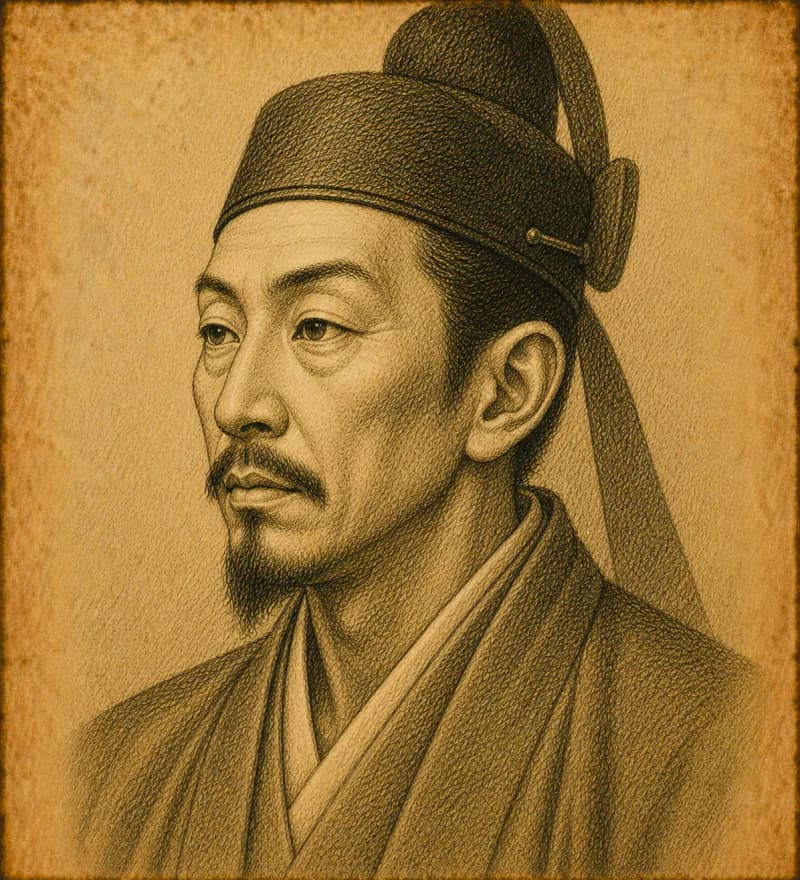
SA-0002 / JPN
Toyotomi Hideyoshi
The peasant who rose to rule all Japan
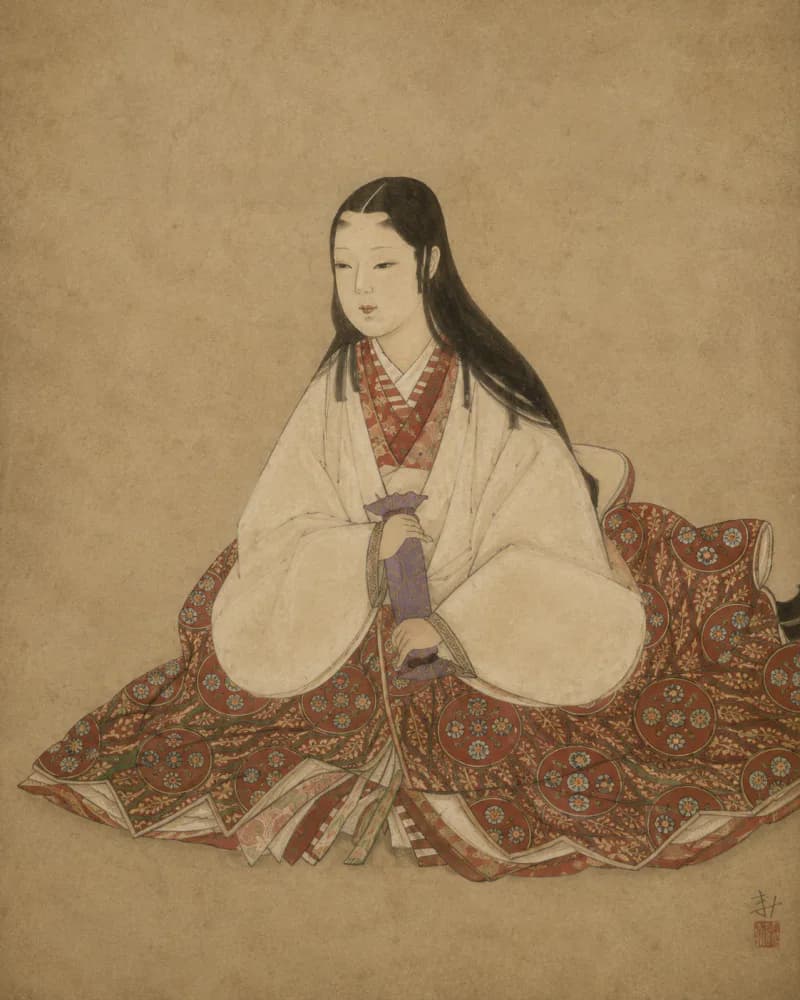
SA-0063 / JPN
Oichi
Sister of Oda Nobunaga, wife of Azai Nagamasa, then of Shibata Katsuie — the emblem of tragedy for women of the Sengoku period
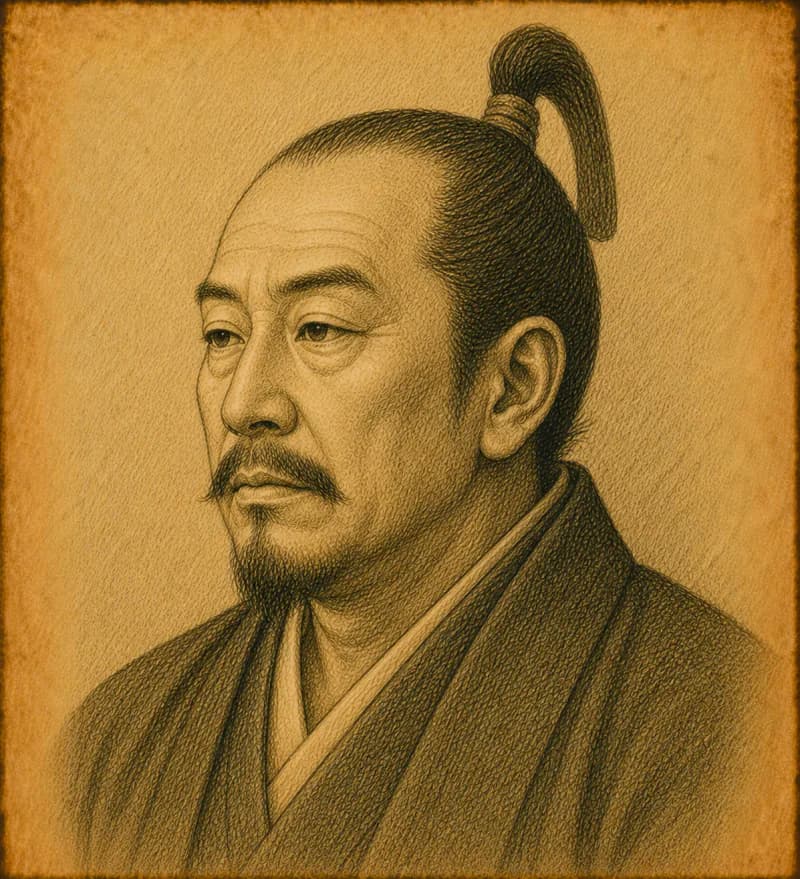
SA-0003 / JPN
Tokugawa Ieyasu
The patient warlord whose dynasty ruled Japan for 250 years