SUBJECT FILE NO. SA-0047
BUSHI ARCHIVE
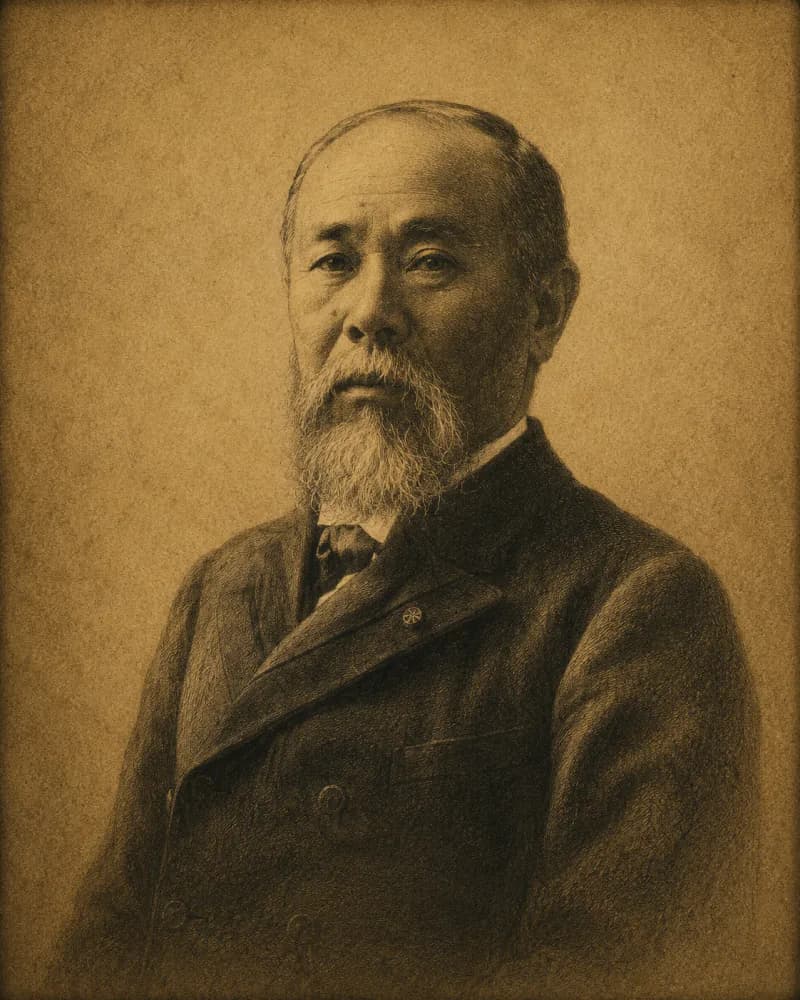
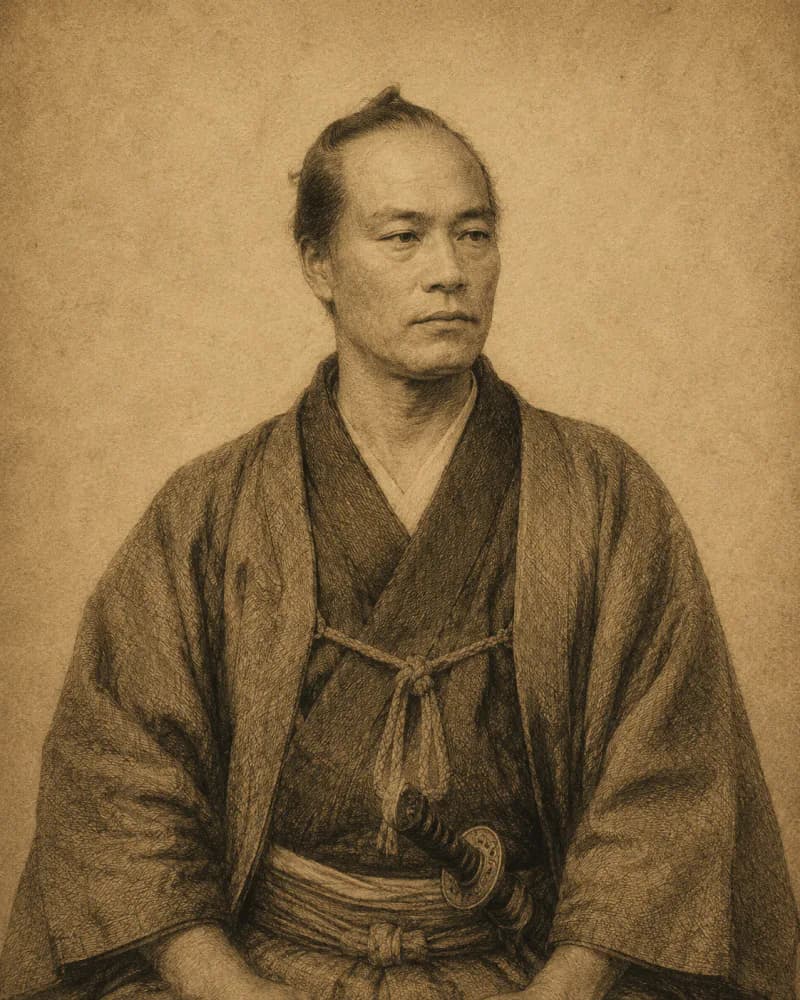
Itō Hirobumi
Itō Hirobumi
First, fifth, seventh, and tenth Prime Minister; first Resident-General of Korea
SECTION I -- SUBJECT PROFILE
| Name | Itō Hirobumi |
|---|---|
| English | Itō Hirobumi |
| Origin | Japan |
| Lifespan | 1841–1909 |
| Gender | Male |
| Century | 19th C. |
| Clan / Role | Statesman |
| Title | First, fifth, seventh, and tenth Prime Minister; first Resident-General of Korea |
SECTION II -- OVERVIEW
Born in 1841 at Tsukari Village in Kumage District, Suō Province (modern Hikari City, Yamaguchi Prefecture), the eldest son of a farming family.
His childhood name was Risuke; he later took the name Hirobumi. In 1857 he entered the Shōka Sonjuku and became the youngest of Yoshida Shōin's students.
In 1863 he secretly went abroad to Britain with Inoue Kaoru, Endō Kinsuke, Yamao Yōzō, and Inoue Masaru, and learned Western civilization directly.
After the Restoration he served as a councillor at the center of the new government and joined the Iwakura Mission (1871-1873) as vice-envoy, touring twelve countries in the Americas and Europe.
In 1885, with the creation of the cabinet system, he became the first prime minister at forty-four — one of the youngest heads of government in the world at the time.
In 1889 the Constitution of the Empire of Japan was promulgated, with Itō at the center of its drafting. He led cabinets through the Sino-Japanese and Russo-Japanese Wars, and in 1906 became the first Resident-General of Korea.
On October 26, 1909, at Harbin railway station, he was assassinated by the Korean independence activist An Jung-geun, and died aged sixty-eight.
SECTION III -- CHRONOLOGY
SECTION IV -- NOTABLE STATEMENTS
“The rise and fall of a nation lies with its people; the rise and fall of a people lies with their learning.”
SECTION V -- FIELD NOTES
[A]Secret Travel to Britain
In 1863, the young Chōshū loyalist Itō Hirobumi crossed secretly to Britain together with Inoue Kaoru, Endō Kinsuke, Yamao Yōzō, and Inoue Masaru, without the formal permission of the domain.
They reached London via Yokohama and Shanghai, and studied English and Western learning at University College London.
To travel to the 'enemy country' during the height of the expel-the-barbarian movement was a dangerous choice that shaped Itō's entire life.
The industrial civilization and political system of Britain that he saw directly became the theoretical foundation of the later drafting of the Meiji Constitution and the introduction of the cabinet system.
In a stay of barely more than six months, the experience became the origin of the men who would design the modern Japanese state.
SECTION VI -- LEGACY & IMPACT
Itō Hirobumi was the figure who built the political system of modern Japan as its first prime minister. In the drafting of the Constitution of the Empire of Japan (1889) he played the central role, designing a Japanese form of constitutional monarchy informed by the German constitution but distinctively its own.
Much of the principal apparatus of modern Japanese government — the cabinet system, the Privy Council, the House of Peers — rests on Itō's design.
As the youngest of Yoshida Shōin's students at the Shōka Sonjuku, he was the figure who most practically inherited Shōin's thought.
At the same time his administration of Korea as Resident-General and the 1909 Harbin assassination remain the largest historical points of discussion in Japan-Korea relations to the present.
The Itō Hirobumi residence still stands at the site of his birth in Hagi, Yamaguchi Prefecture, and his image was long carried on the thousand-yen note as one of the symbolic figures of modern Japan.
SECTION VII -- MAJOR DEEDS
- [01]Secret travel to Britain (1863)
- [02]Vice-envoy of the Iwakura Mission (1871-1873)
- [03]First Prime Minister (1885)
- [04]Drafting of the Constitution of the Empire of Japan (1889)
- [05]Commentaries on the Constitution of the Empire of Japan
SECTION VIII -- REFERENCE MATERIALS
PRIMARY SOURCES & ARCHIVES
- PRIMARY
Commentaries on the Constitution of the Empire of Japan
Itō Hirobumi
Itō's official commentary on the constitution — original text of Japanese constitutionalism
- SCHOLARSHIP
Itō Hirobumi: The Man Who Built Modern Japan
Itō Yukio / Kōdansha (Academic Bunko)
Standard recent biography of Itō Hirobumi
- ARCHIVE
Hagi Museum
Hagi City, Yamaguchi Prefecture
Holds materials on Itō Hirobumi and other Chōshū-born Meiji elder statesmen
Visit archive →
RECOMMENDED READING
SECTION X -- RELATED REPORTS
SA-RPT
First Prime Minister: The Day Itō Hirobumi Took the Top of Japan at Forty-Four
On December 22, 1885, Itō Hirobumi became Japan's first prime minister. At forty-four, he was one of the youngest heads of government in the world at the time. What lay behind the extraordinary career in which a son of a poor farming family, student of Shōin, reached the top of modern Japan in twenty-eight years?
SA-RPT
Drafting the Meiji Constitution: How Itō Hirobumi Wrote the Blueprint of a State
On February 11, 1889, the Constitution of the Empire of Japan was promulgated. The center of the drafting was Itō Hirobumi. From the European constitutional research from 1882, through discussions with the Austro-German legal scholars Gneist, Stein, and Mosse, to the joint work with the drafting team of Inoue Kowashi, Itō Miyoji, and Kaneko Kentarō — the seven years in which one statesman wrote the blueprint of a state.
SA-RPT
Harbin Station: The Day Itō Hirobumi Was Shot by a Korean Independence Activist
On October 26, 1909, the first Resident-General of Korea, Itō Hirobumi, was shot by the Korean independence activist An Jung-geun at Harbin station and died at sixty-eight. The assassination on the eve of the Japan-Korea annexation has continued as the deepest historical point of contention in Japan-Korea relations to the present.
SECTION IX -- LINKED SUBJECTS
SA-0036 / JPN
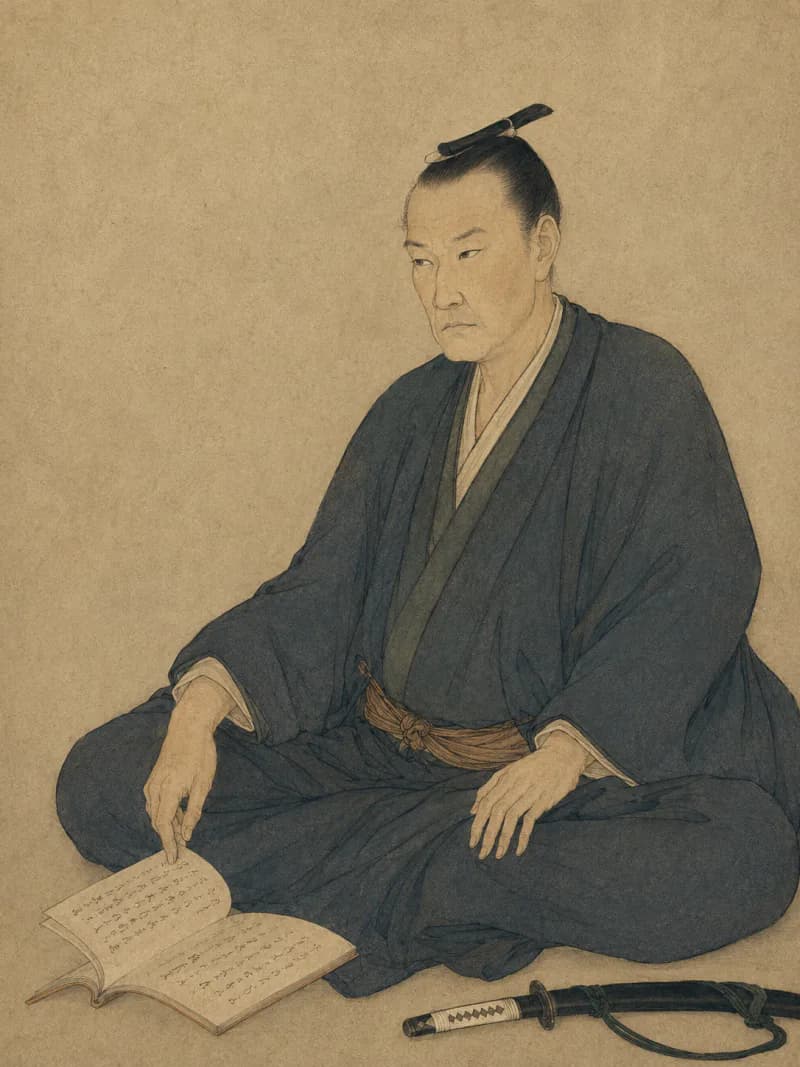
Yoshida Shōin
The Shōka Sonjuku teacher whose two-and-a-half-year school drove the Meiji Restoration
SA-0037 / JPN
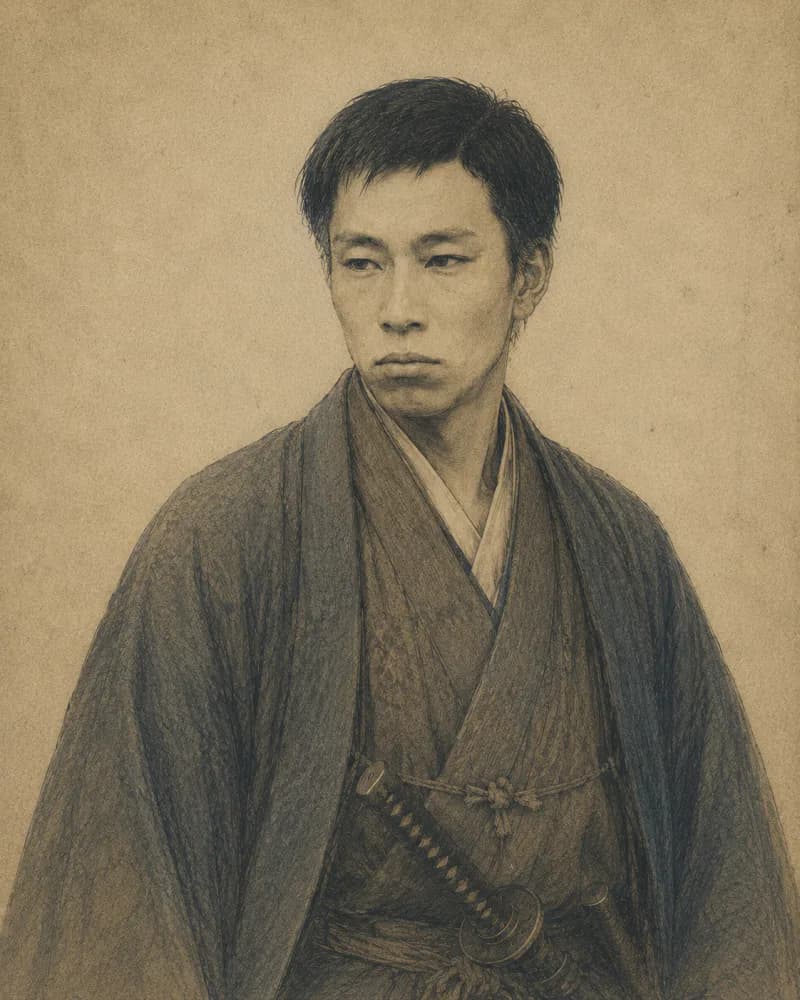
Takasugi Shinsaku
The Shōka Sonjuku graduate whose Kiheitai militia and Kōzanji coup drove Chōshū to topple the bakufu
SA-0038 / JPN
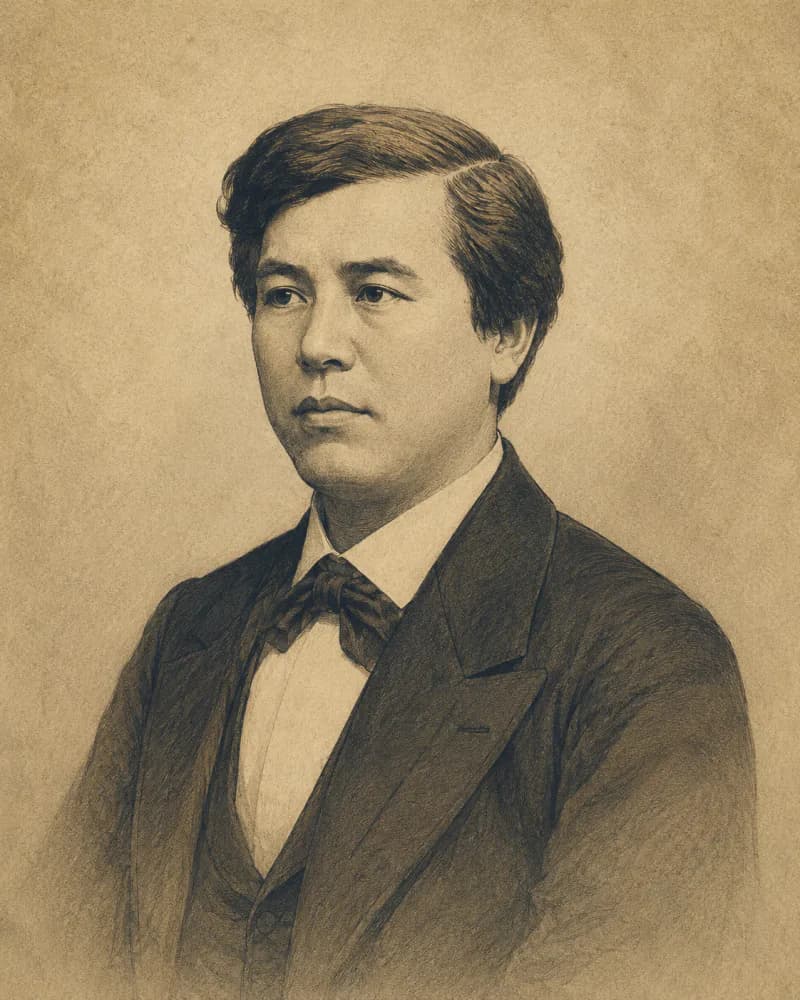
Kido Takayoshi
The Chōshū statesman behind the Satsuma-Chōshū Alliance and the Five Charter Oath
SA-0046 / JPN
Yamaoka Tesshū
One of the 'Three Boats' of the Bakumatsu who opened the road to the bloodless surrender of Edo and founded the Mutō-ryū